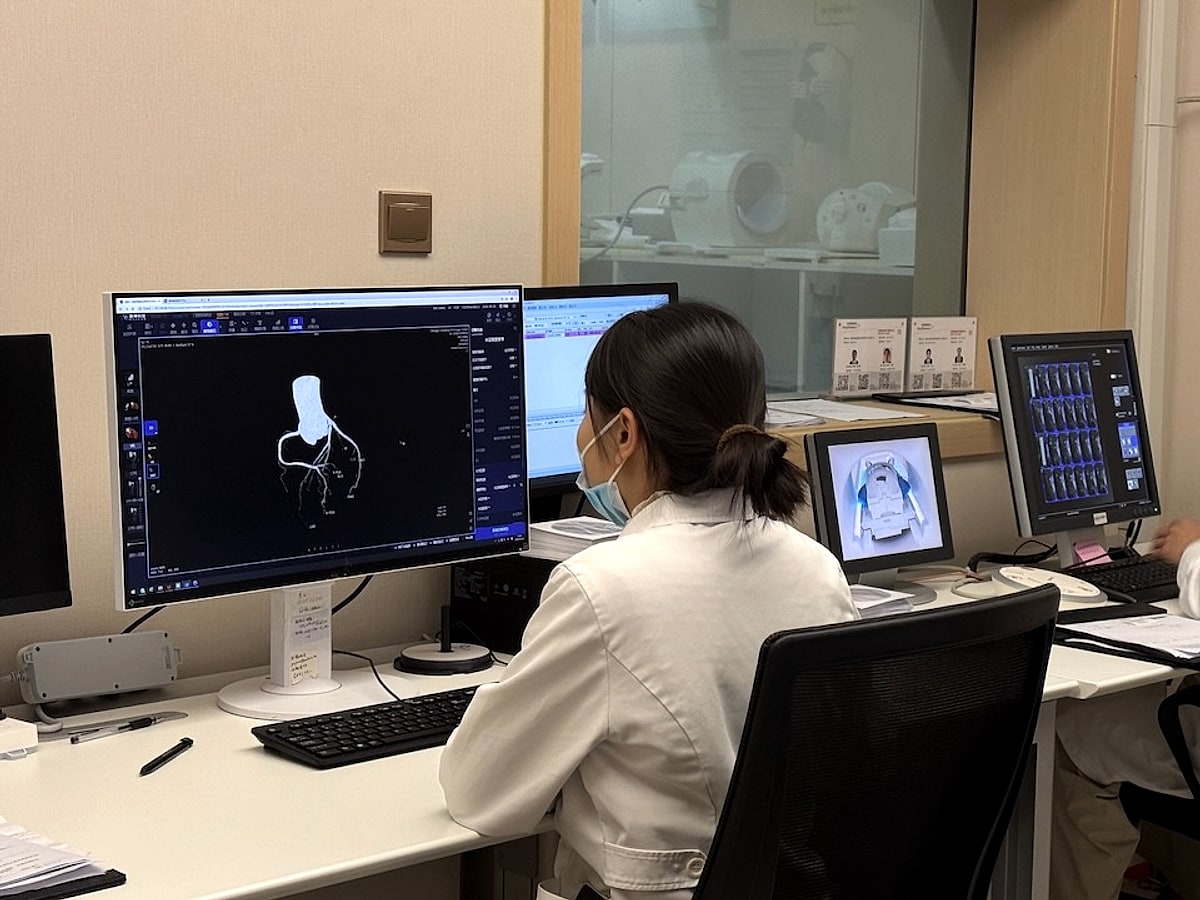
For international clients, the appointment is only one part of the screening journey. The other important part is leaving with a clear file set that can be reviewed by a physician at home or in another country.
Separate official reports from support materials
Official medical reports are issued by licensed medical institutions. A coordination service can help collect, organize, and explain the file structure, but it should not present itself as the source of the medical diagnosis.
- Identify which documents are official facility reports.
- Keep imaging files, lab results, invoices, and summaries organized separately.
- Ask whether English support is a translation, summary, or communication aid.
Make the file set easier for another physician to review
A well-organized handover can save time for your own physician. It should show what was done, where it was done, when it was done, and which files belong to which examination.
- Use clear filenames for imaging files and reports.
- Keep the appointment date and facility name visible.
- Include package details so outside physicians understand the screening context.
Ask how follow-up questions are handled
Some clients need help sending questions back to the medical institution after they leave China. Confirm what communication support is included and what must be handled through a physician.
Do not treat English support as medical interpretation
English organization can make documents more usable, but medical interpretation belongs with qualified physicians. If a report contains abnormal findings, discuss them with a licensed doctor who can review your history and symptoms.
Medical boundary
Guides support planning, not diagnosis.
SinoScan48 coordinates availability checks, scheduling, communication, travel logistics, report collection, and structured English support. Official examinations, medical reports, interpretation, diagnosis, and treatment decisions belong with licensed medical institutions and qualified physicians.