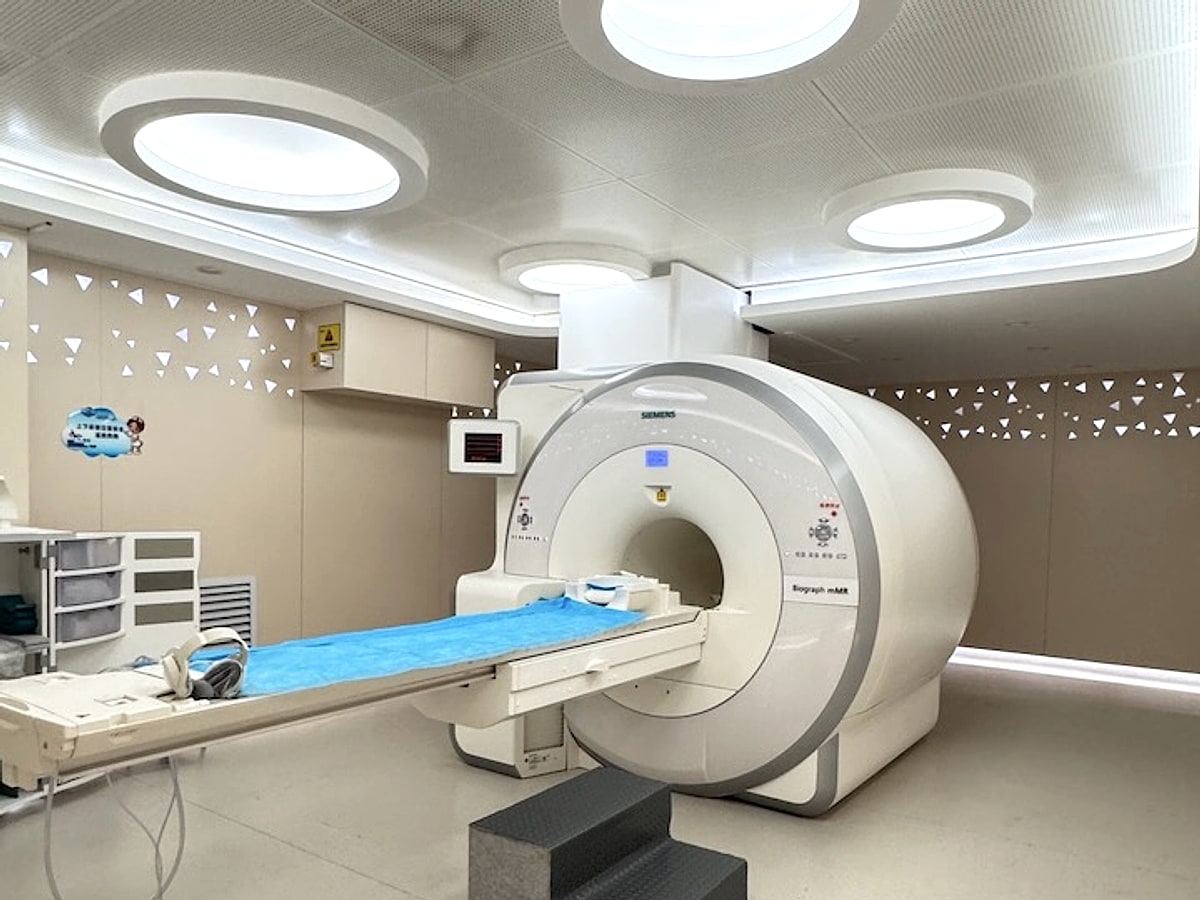
MRI, CT, and PET/CT are often discussed together, but they are different examination types with different preparation needs, availability constraints, and clinical use cases. International clients should ask practical questions before booking travel or choosing a screening package.
Ask what is actually available in the city
Advanced imaging availability can vary by city, medical institution, scanner schedule, and package scope. It is better to confirm the practical appointment window than to assume every modality is available every day.
- Which city and facility can support the requested imaging item?
- What appointment windows are realistic for your travel dates?
- Is the imaging item included in the package or quoted separately?
Clarify preparation requirements
Some imaging routes may require fasting, prior medical information, medication notes, contrast-related screening, or other preparation. Requirements should be confirmed by the medical institution before the appointment.
- Ask whether fasting is required and for how long.
- Confirm whether previous reports or medical history notes are needed.
- Ask what happens if the facility determines an item is not suitable for you.
Confirm the file handover
For many international clients, the value of imaging depends on whether the files and official reports can be shared with their own physician later. Ask how images, reports, and lab results are collected and delivered.
- Will imaging files be available digitally, on disc, or both?
- Which documents are official reports from the medical institution?
- Can the file set be organized for outside physician review?
Avoid using screening as a substitute for care
Advanced imaging is not a replacement for medical care when symptoms, urgent concerns, or known conditions are involved. If you have medical symptoms or a physician has recommended a specific diagnostic route, follow qualified medical advice.
Medical boundary
Guides support planning, not diagnosis.
SinoScan48 coordinates availability checks, scheduling, communication, travel logistics, report collection, and structured English support. Official examinations, medical reports, interpretation, diagnosis, and treatment decisions belong with licensed medical institutions and qualified physicians.