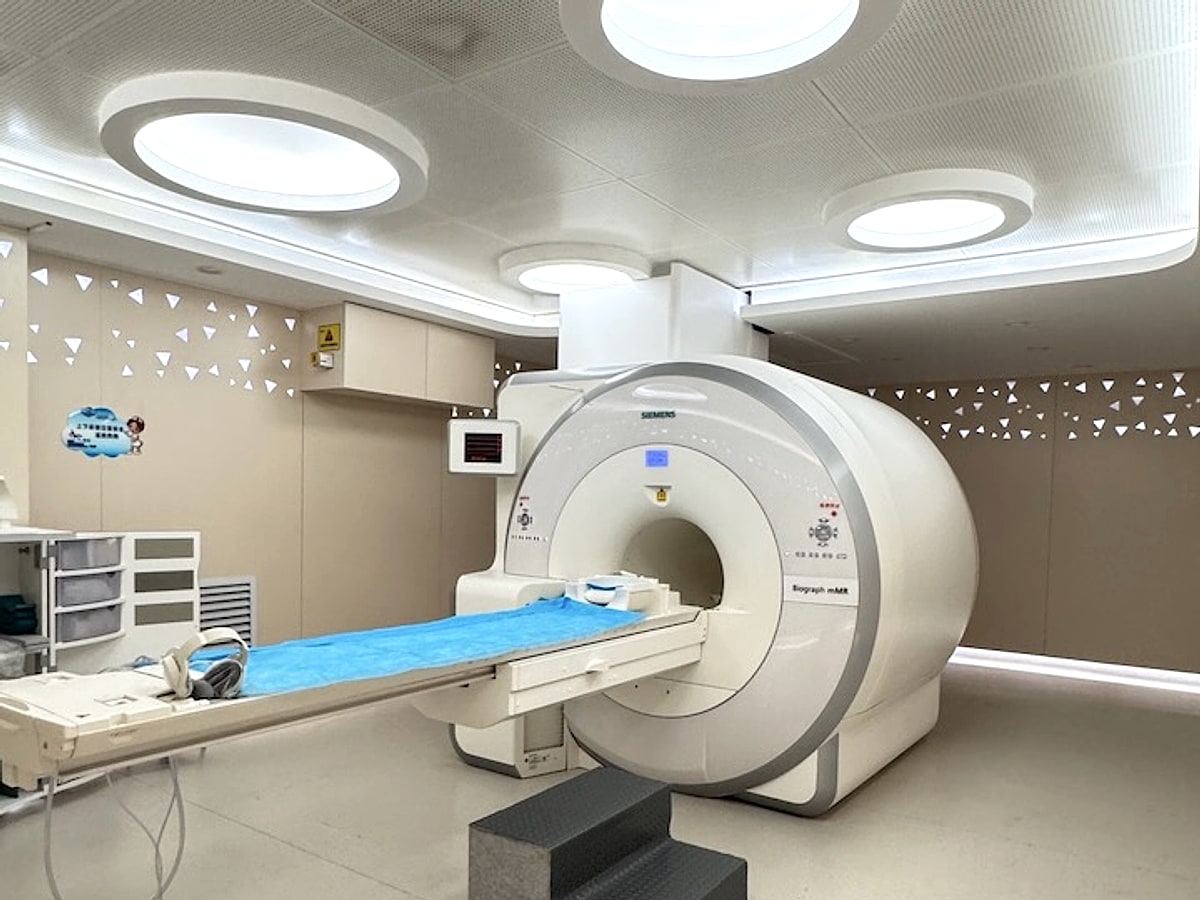
International clients often search “MRI scan China” when they want to coordinate advanced imaging during a short visit, a business trip, or an expat checkup window. The most common planning issue is not finding a scanner—it’s aligning the scan area, facility workflow (including safety screening and any contrast pathway), appointment timing, and report handover so your file set is usable for follow-up with your own physician. SinoScan48 can coordinate route confirmation, scheduling, and logistics support, but it is not a hospital and does not provide diagnosis, treatment, emergency care, or official report interpretation.
Start with the boundary: coordination is not medical care
SinoScan48 is a coordination and concierge service. It can help check practical availability, coordinate scheduling, support communication, and organize report delivery, but it does not provide diagnosis, treatment, emergency care, or official report interpretation. Medical decisions and report interpretation must come from licensed medical institutions and qualified physicians.
- If you have urgent symptoms, seek appropriate medical care rather than treating screening as a substitute.
- If your physician recommended imaging, follow their guidance and confirm suitability with the medical institution.
- Use the concierge layer for logistics, documentation, and communication—keep clinical decisions with clinicians.
Define the MRI request in plain language before asking for availability
An “MRI” is not one product. Availability depends on the scan area (for example brain, spine, knee), the facility workflow, and whether the medical institution requires additional confirmation steps. The fastest path is to define what you are trying to schedule and what you need to take home afterward.
- Scan area: specify what area you want imaged (and whether your physician requested a specific protocol).
- Timing constraints: share your China dates and which mornings you can attend (many routes start early).
- File deliverables: confirm you need official reports and the imaging files for physician review after the trip.
Treat contrast as a workflow question, not a checkbox
Some MRI routes involve contrast while others do not. Whether contrast is used, which product is used, and what pre-checks are required must be decided by the medical institution and qualified clinicians. For planning, the key is that contrast can change appointment timing, documentation needs, and post-scan steps.
- Ask whether your route may involve contrast and whether the facility requires any pre-checks before confirming a slot.
- If you have time constraints (same-day travel, meetings, flights), tell the coordinator early so the facility can confirm feasibility.
- Do not assume “non-contrast” is always available for every region or clinical question—confirm with clinicians.
Safety screening is part of scheduling (implants, devices, and history)
Facilities typically run MRI safety screening, especially when there may be implants, prior surgeries, metal exposure, or other contraindication risks. This is not “paperwork”—it is often the step that determines whether the MRI route can proceed and how it must be scheduled.
- If you have implants or medical devices, share relevant details early so the facility can confirm compatibility.
- If you have prior imaging or surgical history, ask whether the facility wants documents before the appointment.
- If you are sensitive to enclosed spaces, flag it early so the facility can explain workflow options.
Choose the city route that matches your real travel plan
City choice drives appointment windows, travel time, and report workflow. For international clients, a “best” city is often the one you can actually reach, complete the visit in, and still have enough margin for file handover before departure.
- Pick a city you can arrive in at least the day before a morning appointment.
- Position your hotel to reduce transfers while fasting or moving between departments.
- If you need a short screening trip, confirm the report and imaging handover timeline before booking flights.
Ask about preparation and suitability the right way
Preparation requirements can vary by facility and the exact imaging item. Some routes require fasting or additional screening questions. For international clients, the best planning move is to ask what the medical institution needs to confirm before the appointment and what happens if an item is changed or not approved.
- Confirm whether the facility requires a medical suitability check before scheduling.
- Ask what documents are needed for registration and file labeling (passport/ID details are commonly required).
- If you have prior imaging, ask whether bringing it can support the facility workflow (final judgment is clinical).
Plan the deliverables: report + imaging files + English support
Many clients only discover after the appointment that the “deliverables” are unclear. For international follow-up, aim to leave with a complete, organized file set: official reports issued by the medical institution plus the imaging files when available. English support is most useful when it clarifies the file set and improves handover for outside physician review—without presenting itself as official interpretation.
- Confirm how you will receive imaging files (for example disc, USB, or download link when available).
- Ask how the official report will be delivered (pickup, digital delivery, or both).
- Confirm what English support includes (labels, file organization, translation support) and what it does not (clinical interpretation).
Use a simple file handover checklist before you leave the city
A usable MRI file set is the one your doctor can actually review after you return home. Before you fly, confirm each deliverable is complete and clearly labeled.
- Official report issued by the medical institution (keep originals unchanged).
- Imaging files (DICOM where available) and any viewer instructions if required.
- A clear naming convention: date, city, facility name, scan area, and whether contrast was used (if applicable).
Decide your follow-up plan before the trip ends
An MRI visit becomes more useful when you already know who will review the results. Decide where you will take the official report and imaging files for interpretation and next-step decisions, especially if you are only in China briefly.
- Choose the physician or clinic that will review the files after the trip.
- Keep your files together: official report, lab results (if any), and imaging media/downloads.
- If you anticipate questions after returning home, confirm what follow-up communication is possible and what must be handled by a physician.
FAQ
Common planning questions
These FAQ answers focus on logistics and coordination. Medical interpretation and treatment decisions must come from licensed physicians.
Is SinoScan48 a hospital or imaging center?+
No. SinoScan48 is an international-client coordination and concierge service. Medical examinations and official reports are provided by licensed medical institutions and qualified medical professionals.
Can you tell me which MRI I should get or interpret my report?+
No. SinoScan48 does not provide medical diagnosis, treatment, emergency care, or medical interpretation. The medical institution and qualified physicians determine suitability, protocols, and interpretation.
What information should I share to check MRI availability in China?+
Share your China dates, preferred city or cities, what you want imaged, your language needs, and your preferred report handover method. The medical institution may request additional medical information to confirm suitability.
Is contrast always part of an MRI in China?+
No. Some MRI routes use contrast and others do not. Whether contrast is used and what pre-checks are required must be decided by the medical institution and qualified clinicians. For planning, confirm the workflow early because it can affect timing and deliverables.
What should I do if I have implants or a medical device?+
Flag this early in the planning process and be ready to share details if the medical institution requests them. The facility and qualified clinicians determine MRI safety and suitability.
Can I usually receive both the official report and the imaging files?+
Often yes, but it depends on the city and medical institution workflow. Confirm in advance how official reports and imaging files (if available) will be delivered and what the expected timeline is.
What does English report support typically mean?+
It typically means structured support to organize and label your file set (official reports and imaging files) and assist with English communication. It is not a substitute for medical interpretation by a physician.
Medical boundary
Guides support planning, not diagnosis.
SinoScan48 coordinates location confirmation, scheduling, communication, optional local logistics, report collection, and structured English support. Official examinations, medical reports, interpretation, diagnosis, and treatment decisions belong with licensed medical institutions and qualified physicians.